
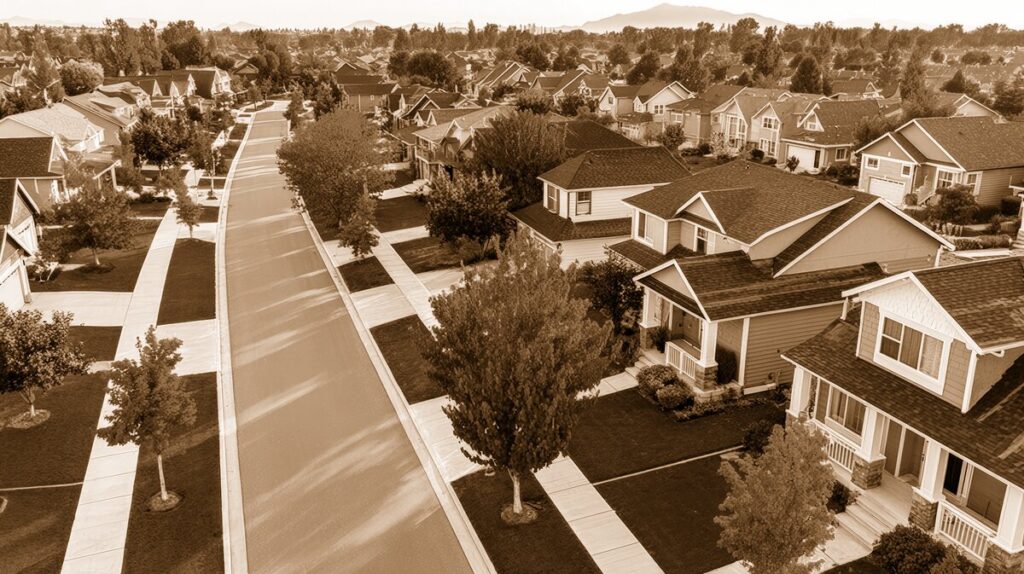
Rockwood, a charming neighborhood nestled in the heart of southern Durham, NC, is a vibrant community where history breathes through its shady streets and cozy homes. As one of Durham’s cherished older neighborhoods, Rockwood’s story intertwines early 20th-century growth, creative spirit, and enduring neighborhood pride. This is a journey through Rockwood’s origins, the meaning behind its name, and the ways its past still shapes daily life today.
The Origins of Rockwood
Rockwood’s story begins in the 1920s and 1930s, a time when Durham was experiencing tremendous growth. Early maps show that this area, just southwest of downtown Durham, was then at the edge of the city, surrounded by farmland and dotted with groves of oak and pine. The construction of University Drive, a vital east-west thoroughfare, and the extension of the old Durham-Chapel Hill Road (now US-15-501 Business), provided infrastructure that transformed these fields into a suburban sanctuary.
The first homes appeared primarily along Forest Hills Boulevard, Wells Street, and Woodrow Street — elegant brick houses and sturdy bungalows that would define Rockwood’s eclectic style for decades. Unlike some planned neighborhoods, Rockwood grew piece by piece, giving it variety and organic charm.
How Rockwood Got Its Name
The origin of the name “Rockwood” adds a delightful local flavor. The area’s name appears to draw from the surrounding natural landscape: the prevalence of rocky soil and dense woods that needed clearing for homebuilding. “Rockwood” was both practical and poetic, a reflection of the work required to transform wild land into a place where families could put down roots. Residents today say the storied rocks still show up in garden beds and yards—a living reminder of the land’s stubborn, enduring spirit.
Key Historical Milestones
Rockwood’s growth is closely linked with the wider development of Durham. A few moments in its timeline stand out:
- The 1930s-1940s: The neighborhood began to flourish as Durham’s booming tobacco industry drew professionals and workers. Many of Rockwood’s original homes, still standing today, date from this era.
- The Post-War Boom: After World War II, Rockwood expanded west and southwards, welcoming young families looking for space, quiet, and proximity to both Duke University and new schools like Hope Valley Elementary.
- Rockwood Park: The creation of Rockwood Park in the 1950s gave the neighborhood a beloved green heart. Still a local gathering place, this park bounded by University Dr., Devon Rd., and Westwood Dr. offered playgrounds, shady paths, and a sense of communal belonging.
Landmarks and Notable Institutions
What makes Rockwood special is not just its history, but the icons—old and new—that give it life.
- The Original Rockwood Filling Station: At the intersection of University Drive and Weller Street stands a quirky reminder of Rockwood’s early days: the old Rockwood Filling Station (now the beloved GRUB Durham restaurant). Built in the 1930s, this art deco gem fueled Durham’s growing car culture and remains an anchor for the community.
- Rockwood Park: More than a green space, Rockwood Park is where generations of children have played and neighbors gather for annual picnics and clean-ups. Towering oaks and dogwoods offer a shady canopy, and the park’s carefully tended rose garden is especially stunning in spring.
- Local Shops and Cafés: The Rockwood corridor along University Drive is now home to a lively scene of local businesses: from the Magnolia Grill (a famed Southern restaurant that closed in 2012 but left a mark in local memory) to newer establishments like NuvoTaco and Q Shack.
- Architectural Diversity: Walking down Chamberlain Street or Sprunt Avenue, you’ll find everything from 1930s Tudors to mid-century ranch homes. This pleasing jumble tells the story of Rockwood’s layered development.
How Rockwood Has Evolved
Change is woven gently into the fabric of Rockwood. In the 1960s and 1970s, as Durham diversified and suburban sprawl crept outward, Rockwood became a crossroads—the kind of place where professors, artists, professionals, and longtime Durham families lived as neighbors.
The neighborhood’s location—just five minutes from Duke University and a quick hop to downtown—has kept it desirable while helping preserve its close-knit feel. Community groups, including the Rockwood Neighborhood Association, champion local causes, park cleanups, and inclusive events that welcome newcomers and celebrate old-timers.
Over time, some homes have been lovingly restored while others have seen thoughtful additions. The sidewalks along Dover Road and Maureen Road remain busy with dog walkers and joggers, just as they were decades ago. Tree plantings, public art, and community gardens attest to residents’ ongoing investment in Rockwood’s future.
The Present and Beyond: A Neighborhood with Roots
Today, Rockwood is a mosaic of the past and present. It’s a place where you can pause at the rose garden in Rockwood Park, sip coffee at a local café, and, if you listen closely, sense the stories of those who came before. Neighbors greet each other by name. Porch lights glow warmly at dusk. Despite changing times, Rockwood’s sense of belonging—and respect for its history—feels timeless.
As a longtime resident, I find comfort in the familiar curves of Westwood Drive or the sight of children racing down to Rockwood Park after school. Perhaps what makes Rockwood so special is this: its history is not just preserved in landmarks and buildings, but felt in everyday moments—shared, cherished, and lived anew by everyone lucky enough to call Rockwood home.